Commercial Spring Roof and Facade FAQ in New Jersey | 1Call Restore
Hello April, Is Your Property Ready for Spring Stress?
In New Jersey commercial real estate, April does not just bring flowers. It brings roof leaks, drainage problems, soaked insulation, cracked masonry, and costly emergency calls from shops, restaurants, hospitals, warehouses, and multi-tenant buildings.
After months of freeze-thaw cycles, many building exteriors are left with tiny cracks and weak points that invite water inside. Once spring rain arrives, those hidden vulnerabilities often turn into visible damage. For property managers in places like Jersey City, Newark, and Paramus, this is the season when preventative action matters most.
At 1Call Restore, the commercial division of Roof4Roof, spring is when we help property owners identify roofing, facade, skylight, drainage, and moisture issues before they spiral into larger repair bills.
Frequently Asked Questions About Commercial Spring Restoration in New Jersey
1. What is the process for a large-scale commercial roof inspection?
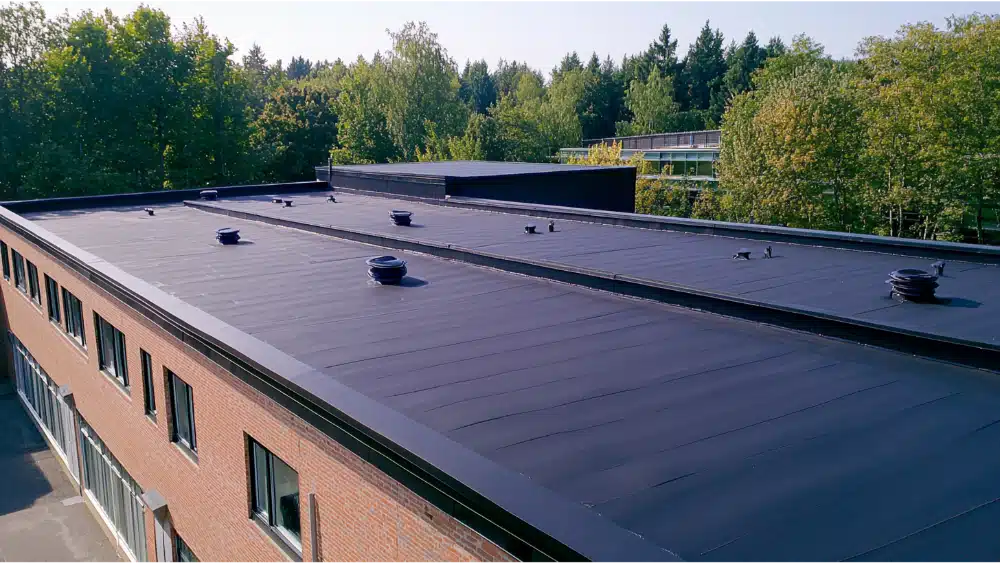
A large-scale commercial roof inspection should include infrared moisture scanning, membrane inspection, flashing checks, drain evaluation, and a close look at penetrations like HVAC curbs and vents. On TPO and EPDM roofing systems, this process helps identify trapped moisture, seam separation, and signs of wear before spring rain causes active interior leaks.
2. What are the requirements for commercial building facade restoration in historic districts in New Jersey?
Historic facade restoration in New Jersey often requires SHPO-compliant materials and methods. On older brick buildings, lime-based mortar is often necessary because it allows the masonry to breathe properly. Using modern Portland cement on historic brick can trap moisture, accelerate deterioration, and create serious compliance problems.
3. Who can perform certified commercial mold and water remediation on an industrial property?
Industrial mold and water remediation should be handled by professionals equipped with proper containment procedures, negative air pressure systems, HEPA filtration, and moisture control methods. This is especially important in warehouses, factories, healthcare spaces, and occupied commercial buildings where airborne contamination can affect operations, inventory, and occupant health.
4. Who installs high-performance skylights for a commercial warehouse or factory?
High-performance commercial skylights should be installed by contractors experienced with industrial roofing systems, energy-efficient daylighting products, and fall-protection requirements. When old skylights become yellowed, cracked, or leaky, they can increase energy loss, create safety risks, and allow moisture into sensitive work areas.
5. How do you install commercial-grade sliding patio doors and windows in a multi-story building?
Commercial-grade sliding doors and windows in multi-story buildings require more than a standard installation. These systems need wind-load-rated frames, structural shimming, perimeter flashing, and proper tie-in with the building’s air and water barrier. In a New Jersey climate, those details are essential for long-term energy performance and protection against air and water intrusion.
6. How much does it cost for a commercial flat roof repair versus a full replacement?
Commercial flat roof repair is usually far less expensive than full replacement, but the correct option depends on the condition of the system. If moisture scanning reveals that a significant percentage of the insulation is wet, repair may only offer a short-term fix. In some cases, a commercial roof coating system can provide a cost-effective restoration solution between patching and full tear-off.
Unsure whether your building needs a repair, a full replacement, or a restoration option in between? This video explains the three main paths for a commercial roof: Watch the commercial roofing options video.
7. How long does it take to complete a commercial roofing project on a 50,000 sq ft building?
A commercial roofing project on a 50,000 square foot building typically takes around two to three weeks of active labor, although spring weather in New Jersey can extend the overall schedule. Experienced contractors stage roofing work in sections so the building remains dried-in and protected at the end of each day.
8. How do I get a detailed bid for a commercial exterior restoration project that includes brick and stone?
A detailed restoration bid should include more than a single lump-sum number. It should outline the quantities of tuckpointing, lintel replacement, sealants, masonry repairs, and scope details for stone and brick restoration. A site walk is the best way to produce an estimate that property managers, owners, and boards can evaluate clearly.
9. Where can I get a detailed, free estimate for a full commercial building restoration project?
You can get a detailed, free estimate for commercial building restoration by contacting 1Call Restore. A proper estimate should evaluate your roof, facade, drainage paths, moisture risks, masonry conditions, and restoration priorities so you can plan proactively instead of waiting for emergency failures.
To request an estimate or speak with the team, visit 1Call Restore Contact Us.
Why Spring Moisture Issues Get Worse So Fast
Water does not just fall straight down. It travels through failed sealants, open mortar joints, compromised flashing, clogged drainage, skylight perimeters, parapet walls, and aging roof penetrations. What looks minor from the outside can spread behind masonry, under membrane systems, and into insulation long before the damage becomes visible indoors.
That is why spring restoration is not just about fixing what is leaking today. It is about identifying where moisture is moving and stopping it before it leads to mold, structural rot, facade failure, or repeated tenant complaints.
Do Not Let April Damage Your Bottom Line
The difference between a well-managed commercial property and a money pit is preventative restoration. Waiting until the ceiling drips or tenants complain usually means the damage has already spread. A proactive inspection and restoration plan can help you control costs, protect operations, and extend the life of your building envelope.
If your commercial property needs expert evaluation this spring, reach out through 1Call Restore and request a detailed estimate.