How Weather Affects Flat Roofs in New Jersey: A Seasonal Guide
How Weather Affects Flat Roofs in New Jersey: A Seasonal Guide
Flat roofs are a popular choice for commercial and industrial buildings across New Jersey, offering cost-effectiveness and easy maintenance. However, the state’s diverse weather conditions—ranging from freezing winters to hot, humid summers—can take a toll on flat roofing systems. Understanding how each season affects your roof is crucial to preventing costly damage and ensuring long-term durability.
Winter: Snow, Ice, and Freeze-Thaw Cycles
Impact on Flat Roofs
- Snow Accumulation: Flat roofs are more susceptible to heavy snow loads, which can lead to structural stress and potential collapse if not properly maintained.
- Ice Dams: Ice can form at drainage points, preventing proper runoff and causing water pooling, leading to leaks and membrane damage.
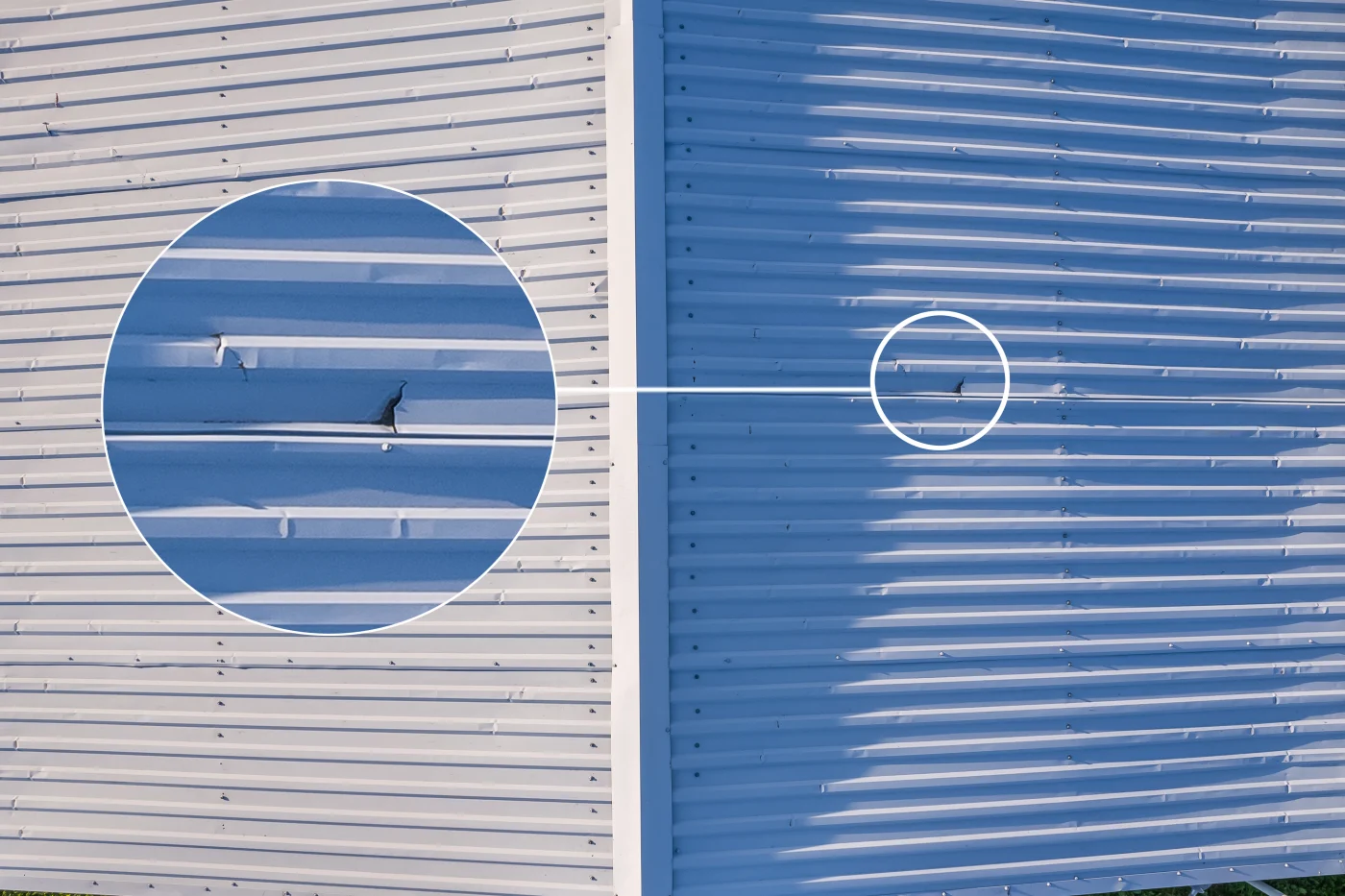
- Freeze-Thaw Cycles: Temperature fluctuations cause trapped water to expand and contract, worsening cracks and deteriorating roofing materials.
Prevention & Maintenance
- Schedule regular roof inspections and maintenance before winter begins.
- Ensure proper insulation and ventilation to minimize ice dam formation.
- Clear snow buildup promptly using safe removal techniques.
Spring: Heavy Rains and Windstorms
Impact on Flat Roofs
- Increased Rainfall: If drainage systems are clogged or improperly maintained, standing water can weaken roofing materials, leading to leaks.
- Strong Winds: Spring storms can lift loose roofing materials, exposing the roof to further damage.
- Mold and Algae Growth: Warmer, wet conditions create an ideal environment for mold, which can compromise the roof’s integrity.
Prevention & Maintenance
- Inspect and clean gutters and drainage systems to prevent water pooling.
- Perform post-winter roof assessments to identify and repair damage.
- Apply roof coatings to enhance water resistance and extend roof lifespan.
Summer: UV Damage and Heat Stress
Impact on Flat Roofs
- UV Radiation: Prolonged sun exposure causes roofing materials to degrade, crack, or blister.
- Thermal Expansion: High temperatures cause materials to expand, leading to seam separations and membrane weakening.
- Increased Cooling Costs: Poorly insulated or damaged roofs contribute to heat retention inside the building, increasing energy costs.
Prevention & Maintenance
- Consider reflective roofing materials or coatings to minimize UV damage.
- Regularly inspect for cracks and seam separations, sealing any vulnerabilities.
- Ensure proper roof insulation to improve energy efficiency.
Fall: Leaf Debris and Pre-Winter Preparation
Impact on Flat Roofs
- Clogged Drains and Gutters: Falling leaves and debris can block drainage systems, increasing the risk of water damage.
- Temperature Drops: Cooler temperatures may reveal existing vulnerabilities from summer wear and tear.
- Increased Rainfall: Like in spring, excessive rain can lead to water pooling and leaks if not properly managed.
Prevention & Maintenance
- Conduct a full roof inspection to identify and repair weak spots before winter.
- Clean gutters and downspouts to ensure proper water drainage.
- Apply protective roof coatings to prepare for upcoming temperature fluctuations.
Protect Your Flat Roof Year-Round
New Jersey’s unpredictable weather patterns make proactive roof maintenance essential for commercial and industrial buildings. Regular inspections and timely repairs can prevent costly damage, extend the lifespan of your roof, and enhance energy efficiency.
For expert commercial and industrial roofing services or roof repair & maintenance, trust the professionals at 1Call Restore. Contact us today for a free consultation and ensure your flat roof is ready for any season.
Get in Touch to schedule your inspection now!