How To Prepare Your Roof For Winter
The Top 4 Ways For Property Managers To
Ready Their Bergen County Roofs For
Winter Weather And Storms
Keep Your Property Free Of
Damage And Avoid Leaks
As a commercial real estate broker or property manager, you are likely familiar with the need for quality roof maintenance in Bergen County, NJ. This need is especially dire when temperatures plummet in the months leading up to winter. Snow and ice wreak havoc on a roof, so you must prepare yours for the winter months to avoid roof damage.
High winds can threaten to blow off shingles while falling ice can penetrate a flat roof membrane. Low temperatures can make roofing materials hard, brittle, and liable to crack. Finally, the freeze/thaw cycle can lead to icicles that pose a danger to passersby and infiltrate beneath the roof’s surface.
The result of all of this wear and tear is that your roof may suffer a shortened lifespan or spring a leak. Fortunately, you can avoid these results by readying the roof for the effects of winter.
To do this, below are some winter roof preparation tips for commercial real estate brokers and property managers in North Jersey.
Remove Debris From Your Bergen County Roof
Many people do not realize that roof debris is a major contributor to roof damage. Organic materials like leaves, twigs, blossoms, and collected dust collect moisture when it rains or snows. Then, it holds this moisture against the roof, giving water plenty of time to seep through the shingles or roof membrane.
As a commercial real estate broker or property manager, you are responsible for keeping the roof of your retail building, industrial facility, or multi-family dwelling as clean as possible. Sweep up dirt, collect leaves, and remove other debris before it rains. The less organic material on the roof, the quicker moisture can evaporate.
Have Your North Jersey Roof Inspected Each Fall
A thorough roof inspection each autumn before the snow flies can go a long way toward preserving the integrity of your roof. During an inspection, an experienced roofing professional will thoroughly examine the inside and outside of the roof to determine if it faces any incipient problems.
The roofer starts by climbing onto the roof and inspecting every corner of it for cracks in the membrane, missing shingles, damaged flashing, and clogged drainage points. They make sure all roofing materials are mounted firmly in place and are in good condition.
Then, they examine the roof from the inside to ensure the support structure is sound and there are no visible signs of leakage. Usually, the roofer carries a multi-point checklist they use to evaluate every component. After the inspection, the owner or property manager receives a report that outlines the roofer’s findings and evaluations.
This process is important because it gives the inspector an opportunity to spot leaks that might damage carpet, furniture, and finishings. It also lets them spot pest infestations by birds, rodents, or insects that could spread disease and damage the structure. Lastly, it identifies areas that need maintenance so you avoid emergencies.
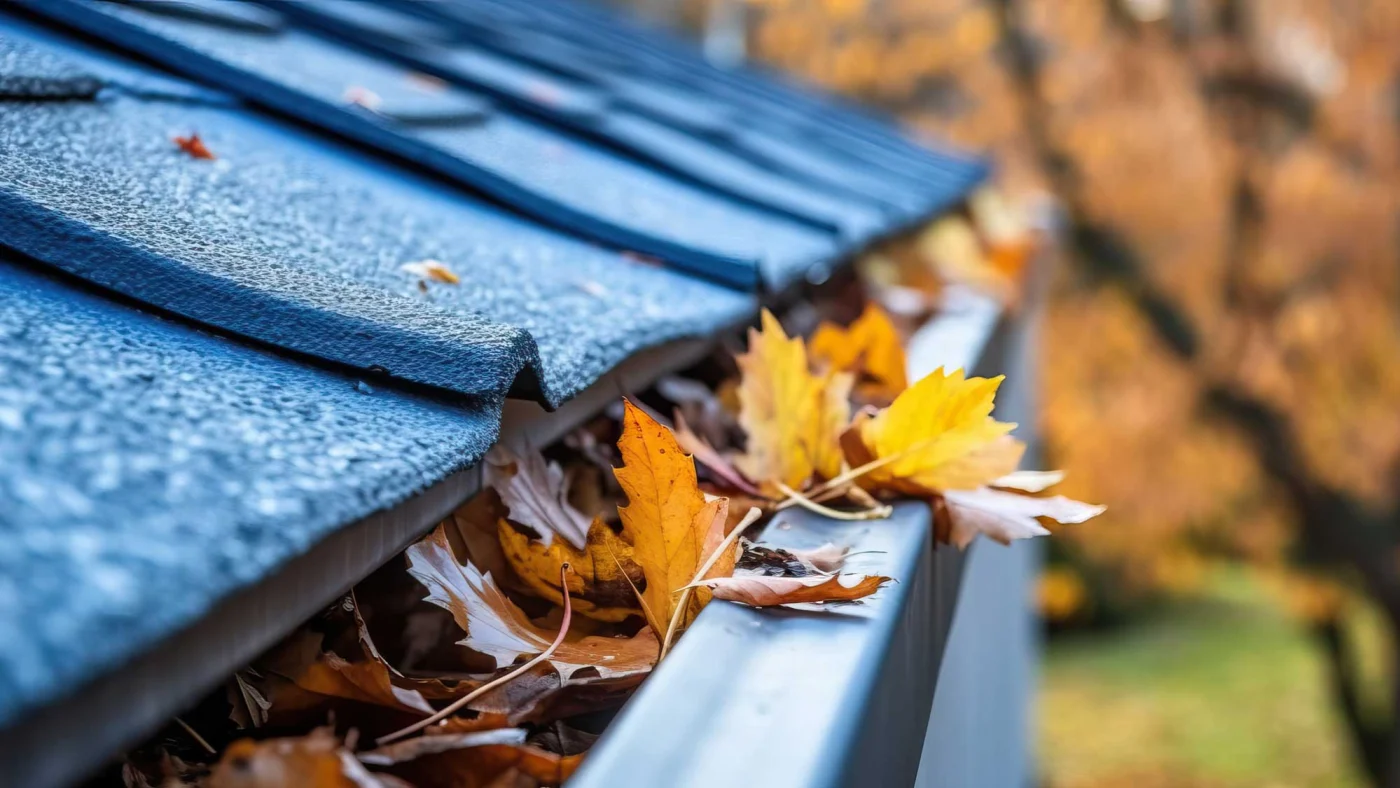
Clean North Jersey Gutters, Drains and Downspouts
Most multi-family dwellings have peaked roofs and rain gutters. Many retail and industrial buildings’ “flat” roofs feature a slight pitch, letting rainwater flow toward a drain. During winter, it is important to keep all drainage components clear and free of clogs. Otherwise, water remaining on the roof or in the troughs will freeze.
Frozen water in gutter troughs can lead to ice dams, which can form icicles that pose a danger to passersby. Ice dams worsen the drainage problem by blocking melting snow from leaving the roof. When temperatures drop again, the ice dam only increases in size and becomes more dangerous.
Ice that forms on a flat roof can penetrate the roof membrane and lead to interior leaks that weaken the roof deck and support beams and damage or destroy carpeting, furniture, and finishings.
Trim Trees Away From Your Bergen County Roof
Trees can be a commercial building’s worst enemy when it comes to winter. They shed leaves, seeds, blossoms, and other debris that collect on the roof. As discussed in Tip #1, organic debris wreaks havoc on roofing materials. Because trees are the major contributor to this debris, it makes sense to trim overhanging limbs, minimizing the risk.
Cut back all limbs so they are between 6 and 10 feet away from the building. This prevents leaf deposits and ensures falling limbs don’t strike or damage the roof. A falling branch can pierce a roof membrane or otherwise damage a roof with its heavy impact.