Freeze, Thaw, Leak, Repeat: Why Flat Roofs Fail in Winter (And How to Stop It)
Freeze, Thaw, Leak, Repeat: Why Flat Roofs Fail in Winter (And How to Stop It)
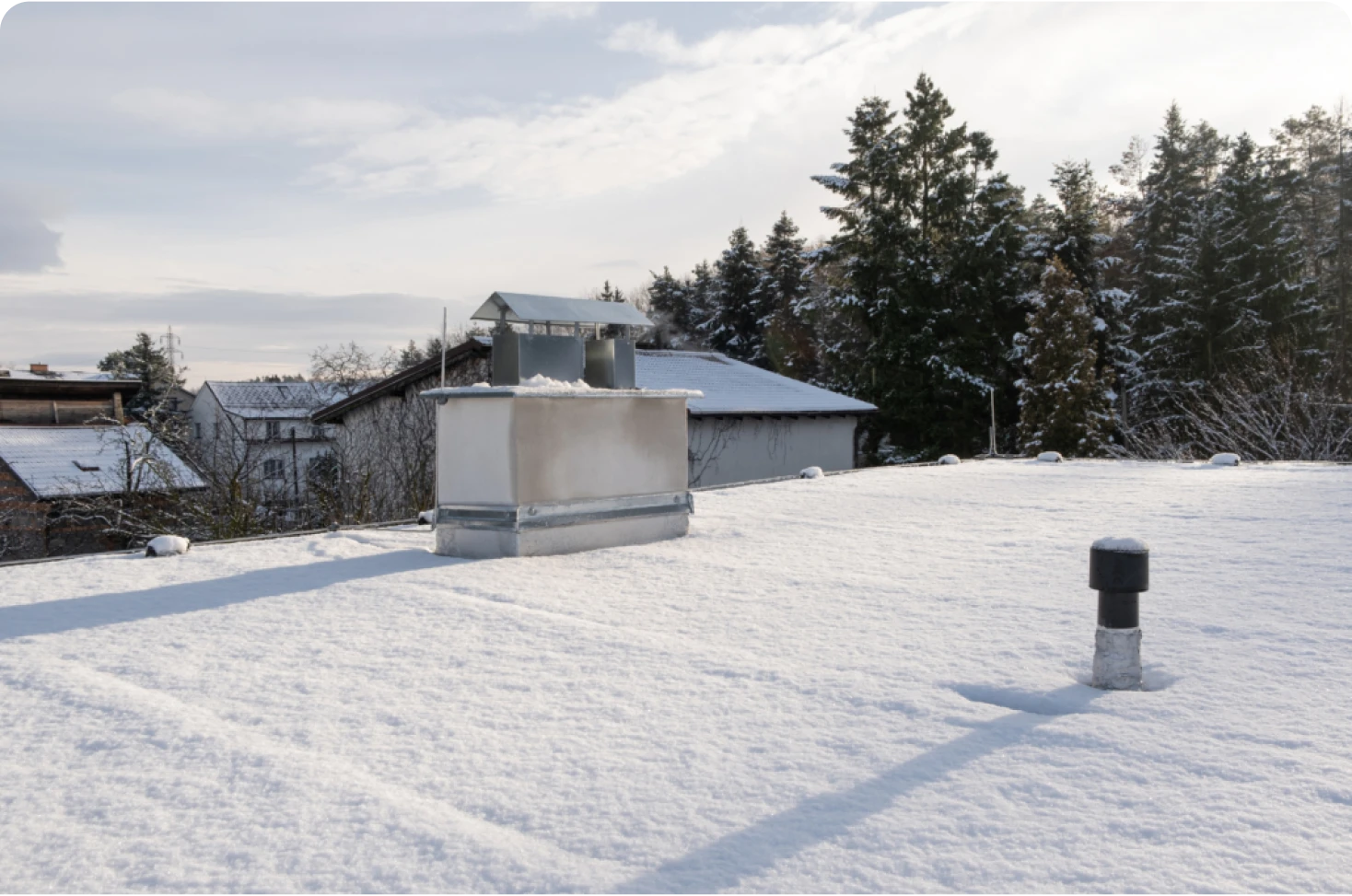
Winter is one of the toughest seasons for commercial flat roofs in New Jersey. Temperatures swing above and below freezing, snow melts during the day, then refreezes overnight. This constant freeze-thaw cycle stresses roofing systems, exposing weak seams, aging flashing, clogged drains, and vulnerable rooftop units.
For warehouses, retail centers, office buildings, and industrial facilities, a small winter issue can quickly turn into an interior leak, operational disruption, or expensive structural repair. Understanding why flat roofs fail in winter is the first step toward preventing it.
The Freeze-Thaw Cycle: The Root of Winter Roof Failures
When snow and ice melt during warmer daytime temperatures, water seeps into small cracks, seams, and membrane gaps. Overnight, when temperatures drop below freezing, that trapped water expands as it turns into ice.
That expansion forces seams apart, widens cracks, and lifts flashing edges. Repeated cycles weaken the roofing system until leaks appear inside the building.
Flat and low-slope systems are especially vulnerable because water does not immediately run off the roof. Even minor ponding creates prolonged exposure to freezing conditions.
Common Winter Failure Points on Flat Roofs
1. Membrane Seams
Flat roofing membranes rely heavily on seam integrity. Freeze-thaw movement can cause seam separation, particularly on older TPO, EPDM, or modified bitumen systems. Once seams begin to open, water infiltration follows.
2. Flashing & Penetrations
Flashing around HVAC curbs, vents, parapet walls, and skylights often fails before the main membrane does. Thermal expansion and contraction loosen fasteners and create small entry points for water.
3. Clogged or Frozen Drains
Flat roofs depend on proper drainage. Leaves, debris, and ice block internal drains and scuppers, causing ponding water. When that water refreezes, it adds weight and increases membrane stress.
4. Rooftop Units (RTUs)
Commercial HVAC units sit directly on the roof. Ice buildup around curbs, deteriorated pitch pockets, and cracked sealants are common winter leak sources.
Warning Signs of Winter Roof Damage
- Interior ceiling stains or bubbling paint
- Dripping during temperature swings
- Visible ponding water after snow melt
- Loose flashing or lifted seams
- Ice accumulation near drains or parapet walls
If you notice any of these signs, immediate evaluation is critical.
How to Stop the Freeze-Thaw Damage Cycle
Schedule a Professional Roof Inspection
The most effective way to prevent winter roof failures is proactive inspection. A commercial roofing specialist can identify weak seams, failing flashing, compromised drains, and early membrane separation before interior damage occurs.
Our roof repair and maintenance services are designed specifically for commercial and industrial buildings dealing with harsh winter conditions.
Implement a Preventative Maintenance Plan
Commercial roofs should not be inspected only after a leak appears. A structured maintenance plan includes:
- Seasonal inspections
- Drain cleaning and debris removal
- Sealant and flashing checks
- Membrane seam evaluation
- Documentation for insurance and warranty compliance
Explore our full commercial & industrial roofing services to see how we support long-term roof performance.
Consider Roof Coatings for Aging Systems
If your roof is structurally sound but showing age, flat roof coatings can restore waterproofing and reinforce vulnerable areas. Coatings create a seamless protective barrier that helps reduce future freeze-thaw damage.
Know When Replacement Is the Smarter Option
When seam failure is widespread or insulation has become saturated, patchwork repairs may no longer be cost-effective. In these cases, a full commercial roof replacement provides long-term protection and eliminates recurring winter leak cycles.
Protect Your Building Before the Next Freeze
Winter weather in New Jersey is unpredictable. What starts as melting snow can become a major leak overnight. The key is acting before small winter damage turns into interior disruption.
If your commercial or industrial roof has experienced freeze-thaw stress, now is the time to schedule a professional evaluation. Contact us to request a commercial roof inspection and develop a maintenance plan that keeps your building protected year-round.